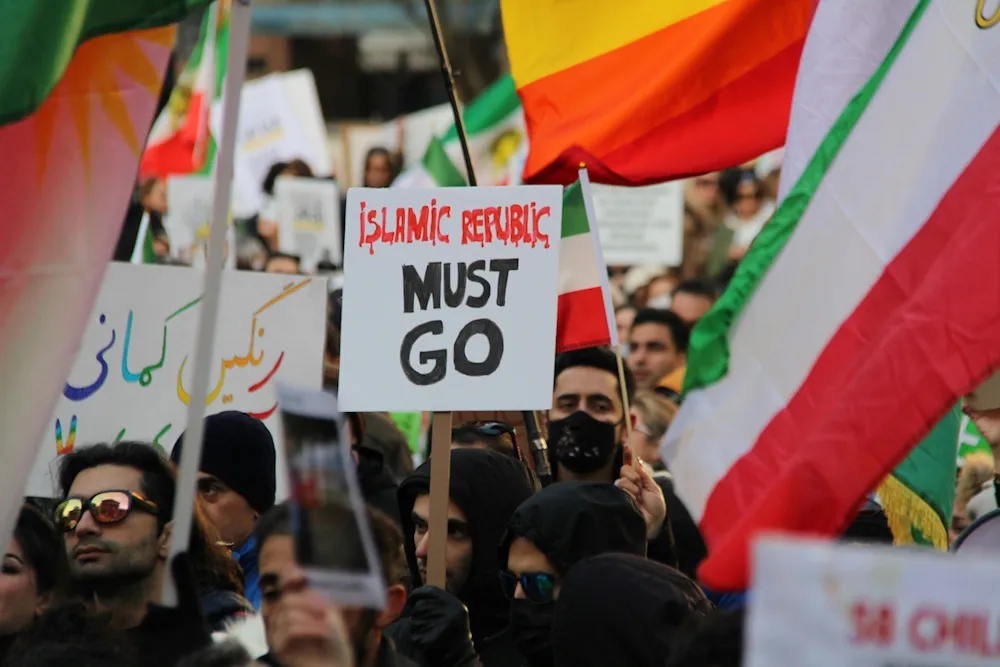
Four days of nationwide protests have shaken Iran after the rial fell to record lows, intensifying pressure on President Masoud Pezeshkian’s government to stabilize the economy and confront public anger over years of mismanagement and sanctions.
The demonstrations began in Tehran on December 28th when shopkeepers in the Grand Bazaar shut their stores as the exchange rate passed 1.42 million rials to the U.S. dollar—almost double the rate a year ago. The unrest quickly spread to provincial cities including Isfahan, Shiraz, Kermanshah, Yazd, and Hamadan. Eyewitness accounts and local videos suggested that security forces used tear gas to disperse crowds, with reports of arrests in several locations.
By Tuesday, university students had joined the protests, voicing demands for economic accountability and political change. Student guilds at Tehran and Beheshti universities reported temporary detentions after gatherings on campus, though authorities released most detainees within hours.
Faced with the sharp depreciation of the currency and widening demonstrations, Mr Pezeshkian replaced Central Bank Governor Mohammad Reza Farzin with Abdolnasser Hemmati, a veteran economist who held the post from 2018 to 2021. Hemmati pledged to prioritize exchange-rate stabilization and reduce inflation, which official data put at around 42%.
Government spokesperson Fatemeh Mohajerani said the administration intended to “listen to legitimate economic concerns” and recognized citizens’ right to lawful assembly. Mr Pezeshkian convened an emergency meeting with several ministers and economic advisers, instructing them to draw up short-term measures to restore market confidence.
International reaction was swift. During a meeting in Florida, U.S. President Donald Trump and Israeli Prime Minister Benjamin Netanyahu discussed Iran’s economic and security situation, with Washington reiterating support for Iranians “seeking accountability and opportunity.” Western sanctions reimposed earlier in the year have left Iran struggling to attract investment, curb capital flight, and stabilize its fiscal position.
The current disturbances, the largest since the 2022–23 unrest that followed Mahsa Amini’s death in custody, highlight the fragility of Iran’s economic foundations. With the rial in free fall, inflation eroding real incomes, and sanctions constraining recovery, Mr Pezeshkian’s government confronts a crisis that is as political as it is financial.